

Climate Change
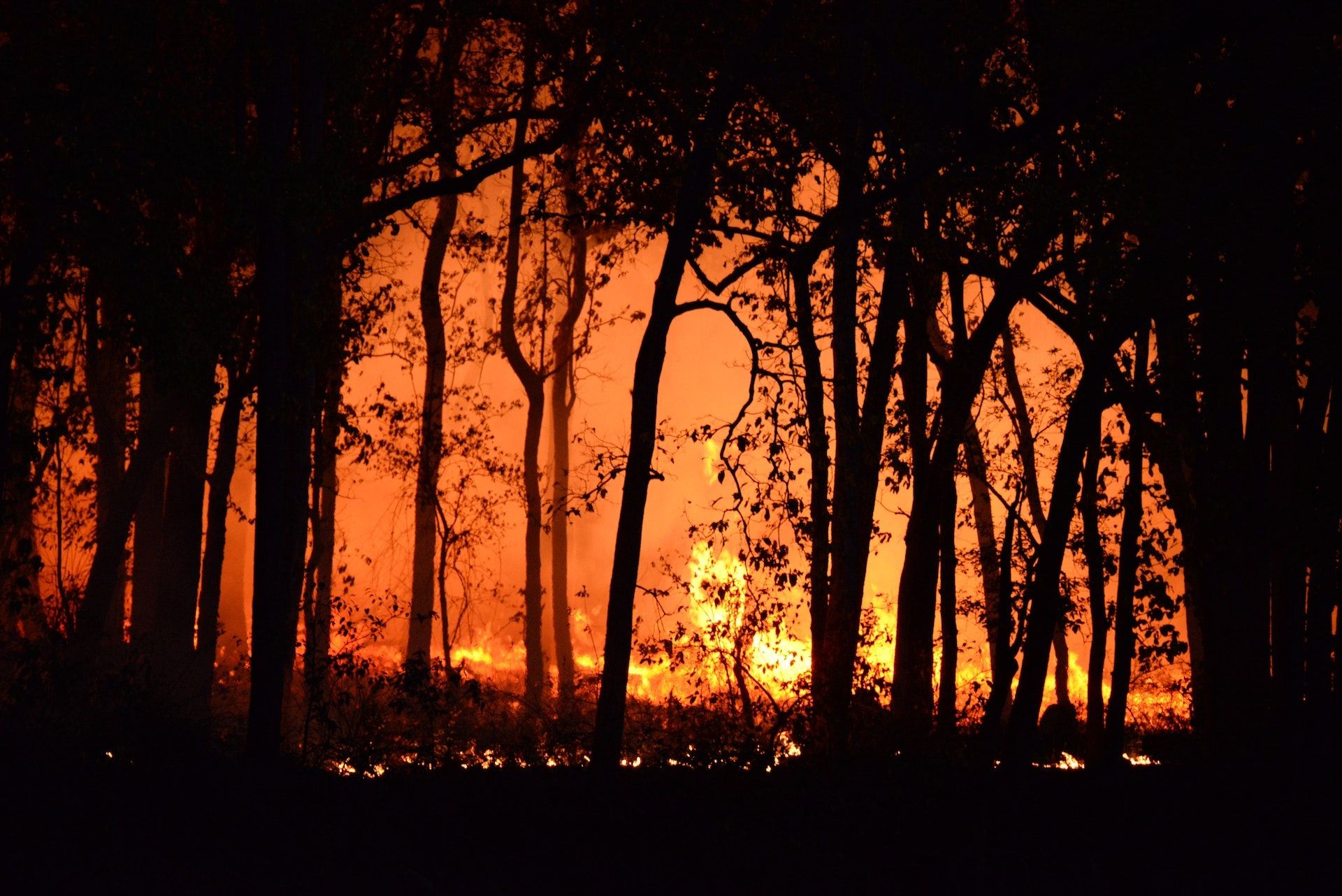
Climate change poses a real and significant risk to Council’s services, infrastructure and the community.
Climate Emergency
Council declared a Climate Emergency in March 2020, and have developed and adopted a Climate Emergency Action Plan.
Climate Emergency Page - Greater Shepparton City Council
Climate Change
Climate change poses a significant risk to Council’s services, infrastructure, the community and the environment.
Climate Change is caused by the release of carbon from fossil fuels, predominately through energy use in buildings, industry, transport and agriculture, and land-clearing.
Climate Change mitigation refers to reducing carbon emissions by reducing energy use, and using renewable energy sources rather than fossil fuel sources. Council set a 2030 Zero Emissions Target for its services and operations in March 2020, and developed the Zero Emissions Plan in December 2021 to reach the target.
Find out more on climate change mitigation and what Council is doing.
Climate change adaptation refers to how we adapt to the effects of climate change, including increased temperatures and heatwaves, increased floods and bushfires, lower overall rainfall and more intense storm events. Many impacts of climate change are already ‘locked in’ to the system because of current and historical carbon emissions, and we cannot avoid these impacts, so we need to adapt to them.
Together we can work to protect our livelihoods and the environment.
Our climate is changing
Intergovernmental Panel on Climate Change (IPCC)
The IPCC is the United Nations body for assessing the science related to climate change. The IPCC recently released its 6th Assessment Report, which unequivocally stated that human impact has caused climate change, and emissions must be reduced to prevent further temperature rise.
Climate Council
The Climate Council develops reports and information on climate change in Australia, including research from climate scientists and health, renewable energy and policy experts. Visit the Climate Council website for more information.
State of the Climate 2024
The CSIRO and Bureau of Meteorology State of the Climate 2024 report details current climate in Australia, and highlights how much the climate has already changed due to historical carbon emissions.
CSIRO: State of the Climate 2024
Climate change adaptation at Council
Climate Adaptation Plan
Council adopted a Climate Adaptation Plan in 2017 in order to identify and assess climate risks to Council’s assets and services. The Plan has identified impacts and risks to Council Infrastructure, Council Services, our Population, and our Region.
You can view the Plan here:
Urban Forest Strategy
Council’s Urban Forest Strategy aims to increase the amount of trees in our public spaces, in addition to those that are already located in parks. It ties together existing priorities for the regions such as health and wellbeing, liveability, climate change adaptation, biodiversity and economic prosperity. This addresses various climate-related issues including increased heat and the heat-island effect, and supports health and well-being through shading public spaces, and a reduction in energy usage through shading of structures.
Learn more about the Urban Forest Strategy
Goulburn Murray Climate Alliance (GMCA)
Greater Shepparton City Council has worked closely with the Goulburn Murray Climate Alliance (formerly the Goulburn Broken Greenhouse Alliance) to raise the awareness and capacity of the region to respond to a changing climate.
Council is currently partnering with the GMCA on the Goulburn Murray Solar Savers program, to assist our community reduce energy consumption and costs. Learn more about Solar Savers
Past projects undertaken with the GMCA include:
- Resilient Public Estate – to assess the vulnerability of Council’s assets to climate change
- Sustainable Subdivision Framework – to assist in the planning of more environmentally sustainable subdivisions for our communities
- Naturally Cooler Towns – to identify the most appropriate tree species for public spaces under a changing climate
- Victorian Energy Collaboration (VECO) – a partnership program to purchase 100% renewable electricity for Council
- Climate Smart Agricultural Development – to understand changes to our agricultural production and versatility under a changing climate
- Electric Vehicles for Council Fleets – to investigate the feasibility and business case for electric vehicles in regional council fleets
- Charging the Regions – to investigate locations for the installation of public Electric Vehicle chargers to support low emission transport by our community and visitors
- Watts Working Better – to replace high energy using streetlamps with energy efficient streetlamps
Learn more on the Goulburn Murray Climate Alliance website.
Read further information on climate change at the Victorian Government's Climate Change website.
Climate change adaptation - what you can do
Extreme Weather
Extreme weather events are becoming more frequent as a result of climate change. Events occurring more frequently in the Greater Shepparton region include extreme heat and heatwaves, flooding and storm events, and unseasonal frost events.
Please stay informed, be prepared, and act on warnings for these events issued by VicEmergency and the Bureau of Meteorology, and Council’s Emergencies web page and Council's Facebook page.
Climate adaptation in Shepparton
Council has developed an information flyer for residents to increase understanding of climate change impacts and provide tips on improving comfort and wellbeing while reducing energy costs during winter. You can view the flyer here.
Climate change in the Hume region
DEECA has published information on what we can expect under a changing climate in our region.